Projects
Plant modernization and expansion elevates soy-based production for food company
Plant modernization and expansion elevates soy-based production for food company

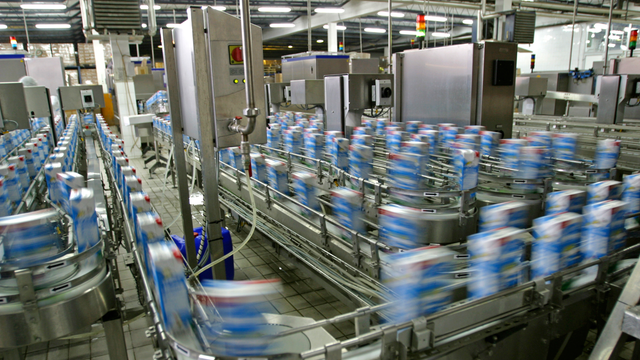
Food manufacturers in planning mode have a lot to consider in an ever-changing, modern world. Here's a practical guide that will help you understand how proactive design helps food plants modernize, scale and stay resilient, not just for today's production goals but for what comes next. Covered in-depth below, learn how you can plan practically for growth with proven food manufacturing solutions while considering grid stress, water constraints and sustainability pressure. The rise in complexity means incremental upgrades often expose hidden limits late, when fixes are expensive. This article helps you understand how treating processes, utilities, facilities, automation, power and water as a single, connect system creates flexibility and cuts risk.
Food manufacturing facilities rarely are constrained by ambition. Expectations for growth are built into projects from the start, whether through increased throughput, expanded product portfolios, or entirely new sites. For decades, manufacturers in the food and beverage industry have met those expectations by leaning on approaches that already were familiar and reliable. Processes were scaled, footprints grew and success reinforced the belief that supporting systems would keep pace. In many cases, they did. That history has shaped how facilities still are planned today, often without fully questioning the underlying assumptions.
The environment surrounding those decisions is changing. Food and beverage manufacturers are under increasing pressure to operate more efficiently while maintaining reliability and controlling costs. Sustainability expectations, consumer demand and operational complexity are converging in ways that make incremental upgrades less effective than they once were. Addressing those challenges requires a broader view of manufacturing design — one that recognizes industrial water systems, power infrastructure, processing equipment and food‑grade facilities as parts of a single, interdependent system.
Additionally, constraints once invisible are becoming harder to ignore. Electric grid reliability, electrification requirements and variability in water availability now influence day‑to‑day operations as much as long‑term planning. When infrastructure and process decisions are made in isolation, those constraints often surface late, when options are limited and costs are high. An integrated manufacturing approach brings those considerations forward, creating facilities not only efficient today but resilient enough to support growth in an increasingly constrained operating landscape.
For most U.S. food manufacturers, the assumption of “adequate capacity” historically has been safe. New plants often were designed with a clear growth path by replicating process lines and expanding the facility’s footprint. What frequently did not scale at the same rate were the utility systems that enable production in the first place: water supply and treatment, electrical power availability, wastewater capacity and the supporting controls that govern them. Too often, utilities are treated as a downstream engineering exercise, something to be sized after production requirements already are fixed. When these constraints surface late in a project, they rarely appear as minor adjustments; they show up as schedule delays, major capital overruns or hard limits on production growth. In regions experiencing rapid industry growth or climate-driven variability, these risks are amplified.
More importantly, by focusing solely on supplying utilities rather than questioning how much is truly needed, teams miss critical opportunities to reduce demand through smarter process integration and control strategies — opportunities far more difficult to capture after a facility already is built. You cannot optimize what you never designed for, and in food manufacturing, infrastructure isn’t just a support function. It’s a strategic design variable that ultimately determines whether a facility can meet its growth, cost and performance objectives year after year.

Modernizing a food and beverage manufacturing plant requires understanding how engineering and new technologies interact with existing utilities, automation systems, sanitation programs and facility constraints. When these connections aren’t fully planned, capital projects can fall short of performance goals or introduce unexpected operational, quality or integration risks.
Taking a holistic, system‑wide view of manufacturing modernization from the outset while embracing innovation helps ensure upgrades deliver long‑term reliability and lifecycle value.
New products or process changes often affect far more than the equipment itself. They can increase demands on electrical capacity, cooling systems, process water, structural loading and sanitation infrastructure — especially in brownfield manufacturing facilities never designed for today’s advanced technologies. In many cases, modern equipment quickly exposes the limits of aging support systems. Identifying these gaps early is critical to avoiding surprises and protecting plant performance and uptime.
The same applies to packaging and end‑of‑line operations. Higher‑speed or more automated lines may require additional space, structural support, HVAC upgrades, airflow management or humidity control. In space‑constrained food plants, these factors can significantly affect cost and feasibility, making early coordination essential to keeping projects on schedule and on budget.
Sanitation also is foundational to modernization. Integrating new equipment into existing clean‑in‑place (CIP) and clean‑out‑of‑place (COP) systems require careful evaluation of flow rates, pressure, tank capacity, drainage and thermal requirements. If sanitation systems aren’t engineered alongside the equipment, cleaning challenges can delay startups, increase scope and threaten food safety and regulatory compliance.
Digital transformation and industrial automation add another layer of dependency. New programmable logic controllers (PLCs), instrumentation and data acquisition systems can improve reliability and enable advanced analytics, but only when supported by stable power, adequate space, proper environments and a coordinated controls architecture.
The most successful modernization efforts treat the plant as one connected system. By aligning process changes with utilities, facilities, automation and sanitation planning, food and beverage manufacturers can deliver more reliable upgrades today and build a stronger foundation for future innovation.
Delivering food‑grade facilities starts with aligning food manufacturing processes and facility design from day one. Production needs evolve, product lines change, and sanitation and food safety requirements continue to rise, yet facilities still must support safe, reliable and compliant operations. When food plant design decisions are made in isolation, gaps inevitably emerge — often in areas costly or difficult to correct later.
A critical element of food‑grade facility design is establishing clear hygienic zoning governing how people, ingredients, packaging, air and waste move through the plant. Well‑defined zones reduce cross‑contamination risk and support allergen control programs, along with hazard analysis and critical control point (HACCP) strategies. Controlled access, targeted airflow and pressure differentials reinforce these boundaries, while finishes, slopes, joints and drainage must support effective sanitation and cleanability without creating areas where contaminants can accumulate. Not every space requires the same level of control, and a thoughtful zoning strategy avoids both over‑engineering and unnecessary capital cost.
Many food and beverage facility projects encounter challenges when disciplines fail to align. A layout may meet architectural goals but create inefficient material flow. Industrial utilities may be properly sized yet located in ways that increase piping runs or installation costs. Floor elevations or slopes may conflict with equipment drainage requirements. These issues rarely are the result of poor design; they stem from teams working sequentially instead of through an integrated facility delivery approach. When process engineering, utilities and facility design all advance together, conflicts surface early when they are far easier and more cost effective to resolve.
Integrated design also improves a project’s ability to adapt to change. As scope or capacity shifts, teams can quickly see impacts on HVAC systems, structural design, sanitation infrastructure, electrical capacity and space constraints. Modern digital design tools make these relationships visible in real time, reducing rework, protecting schedules and improving cost certainty.
Looking ahead, future‑ready food manufacturing facilities require layouts and infrastructure that support growth without major disruption. Whether building a new plant or upgrading a brownfield food processing facility, planning for future utilities ensures that power and water systems can scale while avoiding layouts that restrict future production lines. The goal isn’t oversizing but exploiting engineering by building smart flexibility into the design.
When food manufacturing processes and facility infrastructure are designed together, plants operate more reliably, maintain food safety compliance and remain adaptable as production needs change.
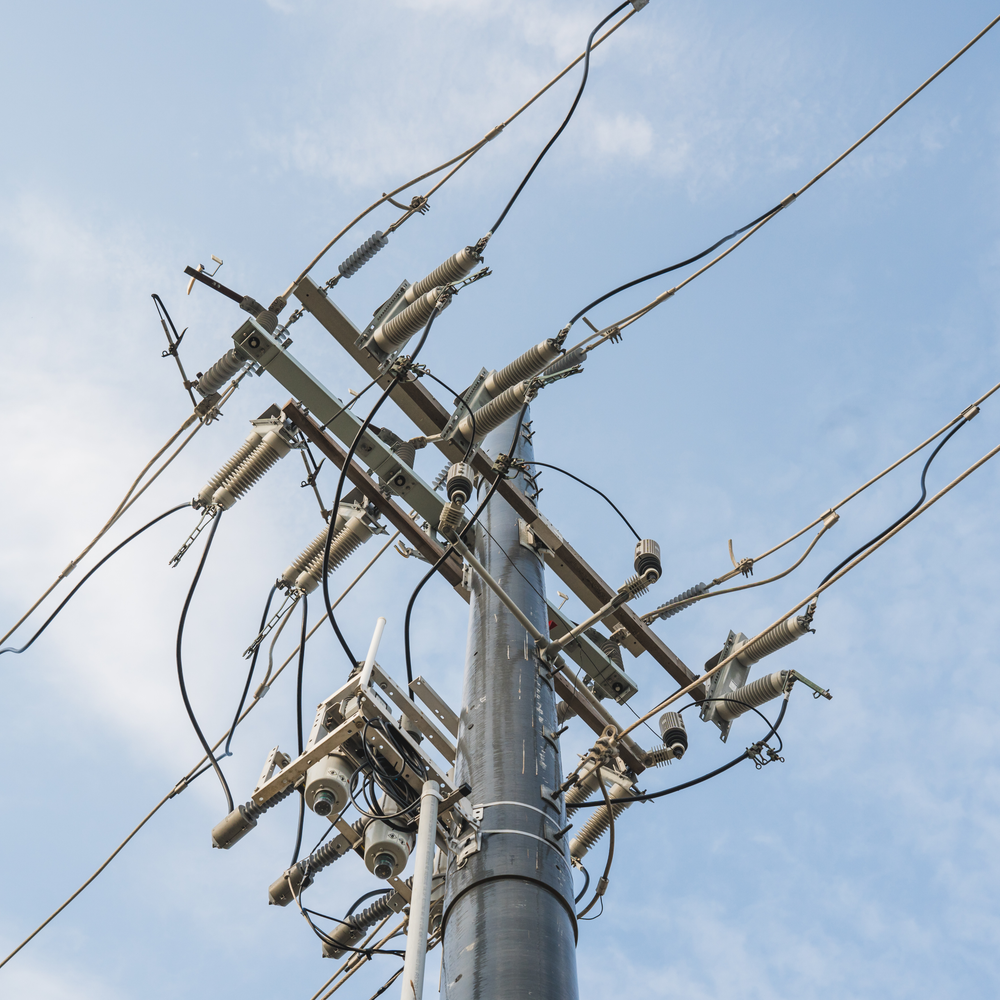
Amid the challenges of electric grid reliability, power resiliency against the backdrop of extreme weather events and resulting outages has become a frontline operational risk for food and beverage manufacturers, forcing them to rethink primary and backup power strategies to protect equipment, product quality and uptime.
Central to this strategy: identifying critical production lines and equipment requiring uninterrupted power. For example, a packaging line with lengthy reset times may justify a battery energy storage system (BESS) to enable controlled shutdowns. With outages common during peak demand periods, investments in energy storage or onsite power generation can deliver rapid payback. For 24/7 operations, longer outages may warrant adding distributed generation or combined heat and power solutions.
Many utilities offer financial incentives for onsite generation and demand‑response participation. Facilities with operational flexibility — such as shifting high‑energy processes to off‑peak hours — may further reduce energy costs and exposure to grid instability. Space constraints, however, often influence whether line‑level energy management is feasible.
Developing an effective industrial energy strategy starts with understanding current energy use, how demand changes with production and weather, and the true cost of outages in terms of downtime, recovery and lost revenue. Such analysis informs the size and feasibility of onsite energy solutions. Many onsite power generation systems also produce usable waste heat, improving overall economics when integrated with facility thermal loads.
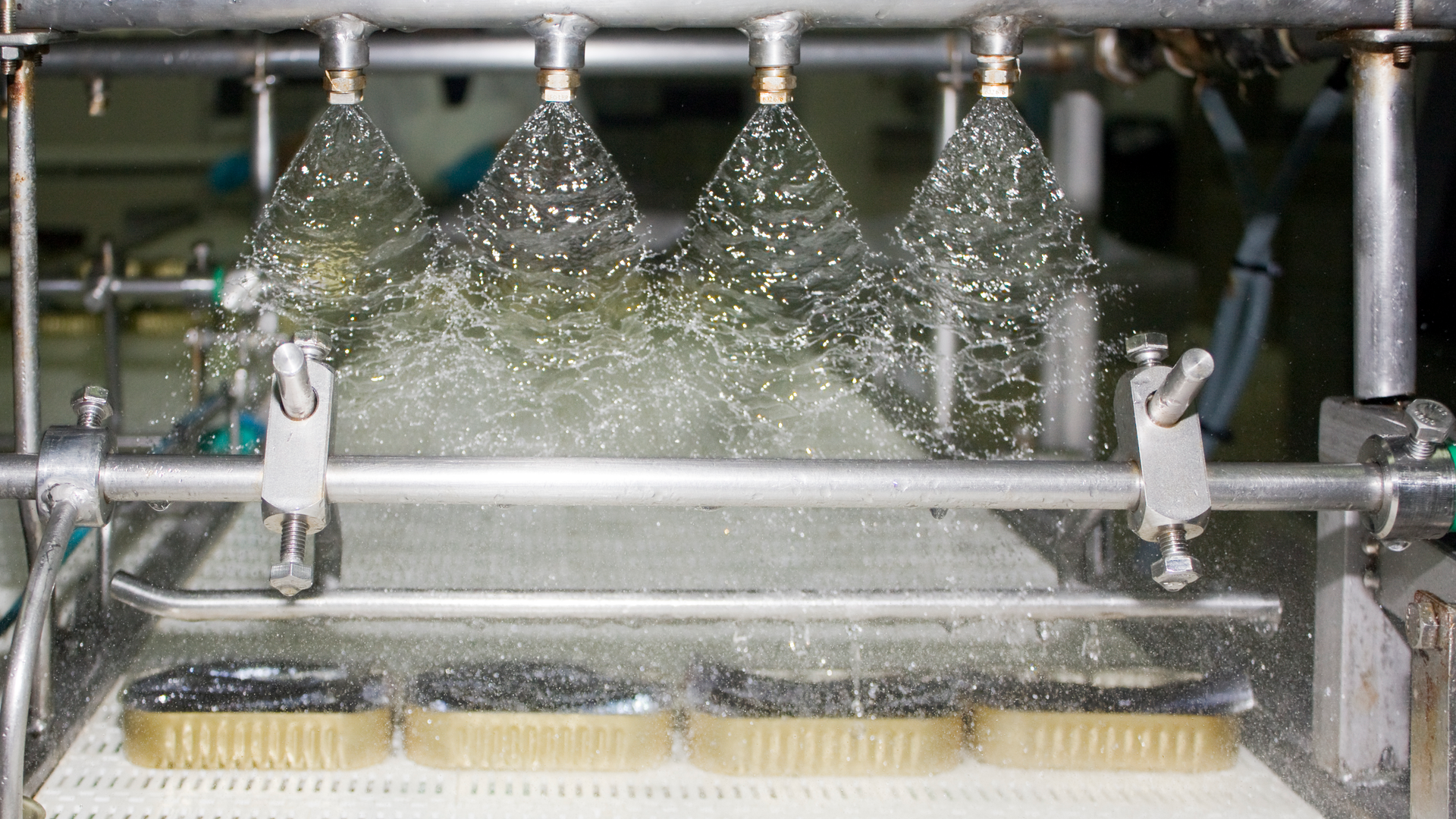
Water is essential to food and beverage manufacturing, supporting everything from processing and sanitation to utilities and energy use. As demand for food production grows, effective water management has become a critical operational and sustainability priority.
Today, the food industry faces increasing pressure from water scarcity, prolonged drought, population growth and expanding industrial activity — challenges that strain available water supplies and raise the risk of production disruptions across food processing facilities.
At the same time, stricter environmental regulations, rising costs for freshwater and wastewater treatment, and expanding environmental, social and governance (ESG) expectations are pushing food manufacturers to rethink how water is sourced, used and reused. As a result, water reuse and recycling solutions have emerged as practical, locally available and drought‑resistant strategies for supporting sustainable food manufacturing.
Water reuse can be applied across nearly every stage of food processing operations, helping reduce freshwater demand while maintaining product safety and operational performance, including:
Raw material pre‑washing, using recycled water to remove heavy soil, followed by potable water for final rinses
Bottle and can rinsing systems
Facility cleaning and sanitation
Clean-in-place (CIP) systems, which can enable recovery of valuable byproducts such as proteins
Waste stream separation and re-use for non-potable water demand
Cooling tower makeup water using treated recycled water
Boiler feedwater produced through reverse osmosis and other demineralization methods
Direct potable reuse (DPR), where highly purified recycled water is used in edible products to replace fresh water
No single water recycling solution works for every food and beverage manufacturing enterprise. Water use patterns, production processes, existing infrastructure, local regulations and available capital vary widely across the industry. In many cases, closed‑loop water reuse systems for initial washing, bottle rinsing or facility cleaning can lower operating costs but may not significantly reduce total water consumption.
Larger gains often require advanced water treatment technologies such as membrane bioreactors, reverse osmosis, advanced oxidation or ion exchange. With increasing regulatory support and public acceptance, more comprehensive solutions — including DPR — are becoming viable for some food producers. The key is a fit‑for‑purpose water management strategy that matches treatment level to end use, avoiding unnecessary cost, excess energy use and regulatory complexity.
The connected food plant is defined less by any single system than by how decisions are made. Throughout this article, a consistent pattern emerges: challenges surface when production, facilities, utilities, power, water and controls are planned in isolation. When those same elements are considered together, risks become visible earlier, tradeoffs are easier to manage and projects are better positioned to deliver the performance they were intended to achieve.
Importantly, integration does not require large structural changes to how projects are delivered. In many cases, the difference is front‑loaded thinking rather than added scope. A small amount of time spent early, through focused reviews or cross‑disciplinary workshops, can expose assumptions around capacity, sanitation, utilities, automation and future growth before they are embedded in designs. Those early conversations often prevent far more costly redesigns, schedule impacts or operational workarounds.
This approach also simplifies execution. When infrastructure and production planning advance together, systems can be sized with intention rather than conservatism. Automation and controls can be designed to provide meaningful operational visibility instead of retrofitted after startup. The result is not additional complexity but clearer priorities, better coordination and facilities that are easier to operate, adapt and maintain over time.
As food manufacturing continues to evolve through modernization, electrification and increasing performance expectations, the ability to adapt will depend on the foundations put in place at the start of a project. Integrated plant design is not a dramatic departure from current practice. It is a practical shift in how manufacturing projects begin, one that strengthens near‑term decisions while supporting long‑term reliability, resilience, and growth.
Time to get proactive
Across food manufacturing projects, the difference between smooth execution and late‑stage surprises is rarely a single technical decision. More often, it comes down to when questions are asked and whether changes can be influenced. Effective projects do not add layers of process or slow decision‑making. They shift attention forward, using early coordination to reduce risk and preserve flexibility later.
A few practical patterns should be considered:
Spend a little time early to save a lot later.
A small number of focused, cross‑disciplinary reviews can surface hidden assumptions around utilities, capacity, sanitation and controls before they are locked into designs. These conversations rarely extend schedules, but they often prevent costly redesigns or operational compromises once construction is underway.
Plan for flexibility, not oversizing.
Designing for growth does not mean building everything bigger. It means creating clear pathways for future capacity changes so utilities, layouts and infrastructure can adapt without major disruption. This approach protects capital while supporting long‑term operability.
Make constraints visible before they matter.
When power, water, wastewater and automation are considered early, their limits can be addressed proactively instead of reactively. Early visibility gives teams options; discovering constraints late removes them.
Treat integration as a starting point.
Strong projects begin with the expectation that process, facilities, utilities and controls will move forward together. That mindset, set early and reinforced by leadership, shapes better decisions throughout execution.
Black & Veatch meets food and beverage manufacturers where they are, whether they’re planning a new facility, modernizing an existing plant or navigating incremental change. We take a holistic view of manufacturing, facilities, utilities, power, water and controls to help teams see interactions and constraints often elusive within individual disciplines. From early planning through startup and beyond, we help ensure that decisions made at the outset carry through to facilities that perform as intended.